BESA TR19 cleaning and reporting for air handling units: better air quality, lower energy costs and clear compliance.
Cleaned, tested and certificated to BESA TR19
Photographic evidence filed with every job
A named engineer replies within 24 hours
Request your free survey
BESA TR19 & TR19 GreaseBESCA Vent Hygiene AssociatePart of Gemini AMPM · est. 19970330 043 0080 · 24/7
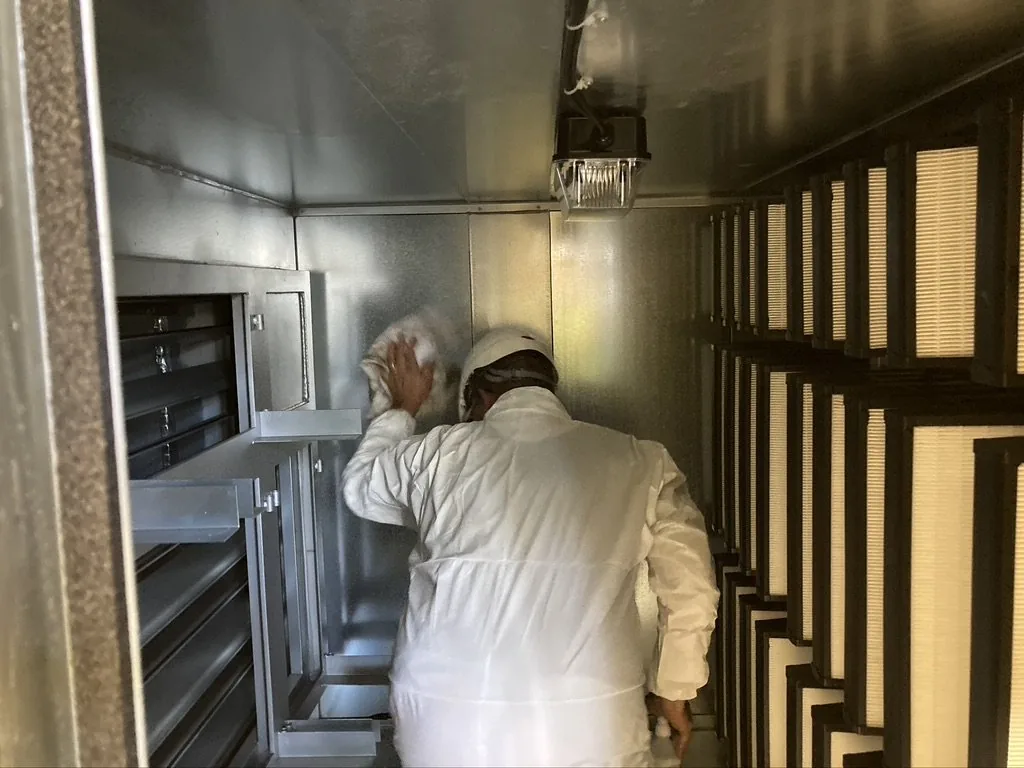
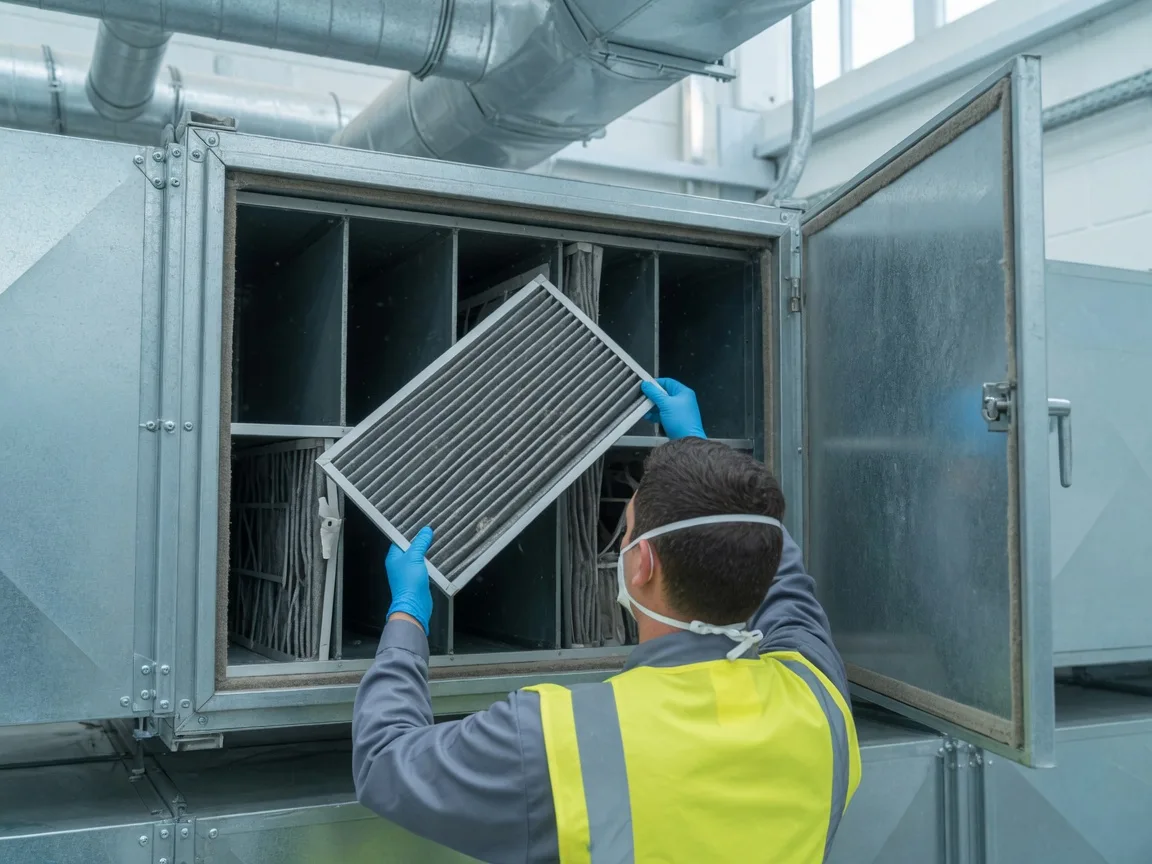
Dirty air handling units (AHUs) drag down the indoor air quality of your whole building, waste energy and raise the risk of fire. Our BESA-trained air hygiene technicians clean AHUs to the BESA TR19 standard and give you documented evidence to prove it.
Why air handling unit cleaning matters
In the UK, an employer has a legal duty to provide a safe and healthy working environment, and that includes healthy indoor air quality. Dirty air handling units have a direct effect on the air quality of a building. AHUs in commercial buildings of every kind (workplaces, accommodation and public facilities) must be cleaned regularly and kept on a suitable system of maintenance.
Beyond the legal obligation, giving occupants regularly maintained, clean, filtered fresh air brings clear benefits:
Healthier, more productive occupants: recycling the building’s air efficiently removes germs and contaminants from the air people breathe.
Lower energy costs: clean, clear systems run more efficiently.
Reduced fire risk: removing flammable dust and lint from the system cuts the chance of fire.
BESA TR19 compliance
BESA’s TR19 is the guidance for the internal cleanliness of ventilation systems and the standard for ductwork cleaning. All of our engineers are trained and qualified to this standard.
We take a tried-and-tested, systematic approach to cleaning air handling units, so your building’s health and safety requirements are met and the work stands up to scrutiny.
Reporting and certification
Following the clean, we provide a detailed report with before-and-after photographs as evidence of the work carried out. We also supply a certificate demonstrating your compliance with British Standards, the relevant Health & Safety legislation and the guidelines set out in BESA TR19, ready for your health and safety records.
Vacuum and microbiological testing
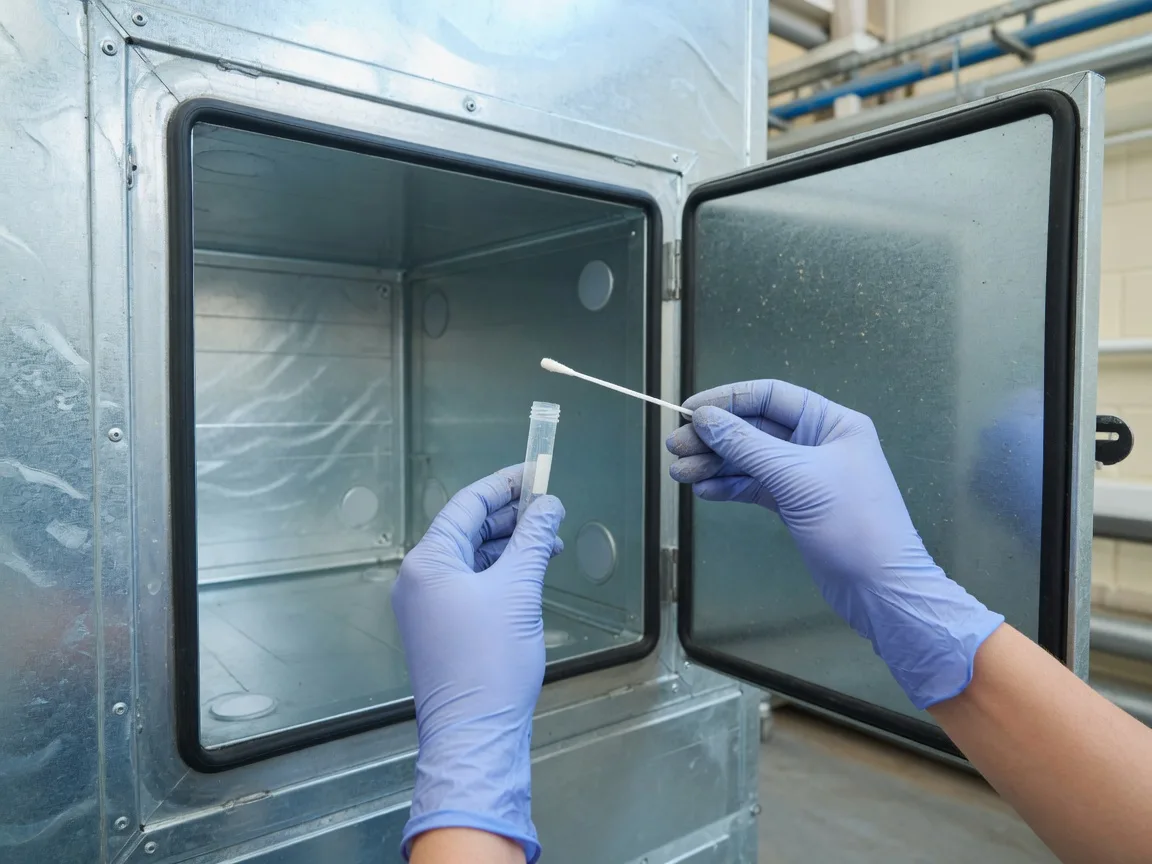
As an optional addition, we offer vacuum (surface deposit) testing and microbiological testing. We take dust and microbiological samples from within the air handling unit chambers both before and after cleaning. This gives you a clear picture of the condition of your air handling units and ventilation systems, and the evidence your team needs to show the systems are cleaned to a compliant standard.
The regulations behind the requirement
The Workplace (Health, Safety and Welfare) Regulations, Approved Code of Practice L24, 2nd edition (2013), set out the duty to keep mechanical ventilation systems clean and how to meet it. An Approved Code of Practice has special legal status: fall short of it and, if challenged, you must show you complied with the underlying law in some other way.
Regulation 5 requires that mechanical ventilation and air conditioning systems are maintained and adequately cleaned, kept in efficient working order and good repair, and free of faults likely to affect the health, safety or welfare of workers. They must be kept clean and free from anything that may contaminate the air.
Air ventilation hygiene services
We offer a wide range of air ventilation hygiene services and activities to keep your ventilation systems clean, efficient and safe.
Duct cleaning
Removal of dust, debris and contaminants from the ductwork to improve indoor air quality.
Improved indoor air quality (IAQ): removing dust, allergens and contaminants enhances the quality of the air circulated.
Reduced respiratory issues: cleaner air lowers the risk of respiratory problems and allergies among occupants.
Ventilation system inspection
Regular examinations to identify and address issues such as leaks, blockages or failing components.
Early issue detection: regular inspections catch problems early, allowing for timely repairs.
Energy efficiency: keeping the system operating optimally contributes to energy efficiency and cost savings.
Indoor air quality assessment
Testing and analysis to evaluate indoor air quality, identify pollutants and recommend improvements.
Identifying pollutants: assessment helps identify and mitigate indoor pollutants for a healthier environment.
Compliance: confirms your systems meet air quality standards and regulations.
Microbial contamination control
Measures to prevent and address microbial growth, including mould and bacteria, within the ventilation system.
Mould prevention: cleaning and maintenance prevent mould growth in ductwork, reducing the risk of respiratory issues.
Odour control: addressing microbial contamination helps control unpleasant odours in the system.
Fire damper inspection and maintenance
Inspection and testing of fire dampers to ensure they operate correctly and comply with safety regulations, in line with BS 9999.
Fire safety: regular inspections confirm fire dampers function correctly, improving the building’s overall fire safety.
Compliance: compliance with safety regulations and building codes is maintained.
Energy recovery ventilation (ERV) maintenance
Maintenance of ERV systems to ensure efficient heat or energy exchange and contribute to energy savings.
Energy efficiency: proper maintenance keeps heat or energy exchange efficient, contributing to savings.
Sustainable operation: optimising energy recovery supports more sustainable building operation.
Compliance verification
Checks that confirm your ventilation systems meet BESA TR19 and the relevant workplace regulations, backed by clear evidence for your health and safety records.
Documentation and reporting
Before-and-after photographs, test results and certificates, compiled into a report you can hand to auditors, insurers or your facilities team.
Kitchen extract cleaning
Cleaning of kitchen extract systems to BESA TR19 Grease, removing the grease deposits that drive fire risk and keeping your extract system compliant.
Frequently asked questions
Is air handling unit cleaning a legal requirement?
In effect, yes. Regulation 5 of the Workplace (Health, Safety and Welfare) Regulations 1992 requires mechanical ventilation and air conditioning systems to be maintained, kept in efficient working order and adequately cleaned. The Approved Code of Practice L24 explains how to comply, and failing to follow it is treated as evidence of non-compliance. In practice that means your AHUs need to be cleaned regularly under a suitable system of maintenance, with records to show the work was done. The report and certificate we issue after each clean give you that evidence for your health and safety file.
How often should an air handling unit be cleaned?
There is no single fixed interval. The right frequency depends on how heavily the system runs, the environment it draws air from, the quality of its filtration and how the building is used. BESA TR19 takes a condition-based approach: inspect the system, measure the level of deposit inside it and clean when that exceeds acceptable limits, with higher-risk systems checked more often. A survey establishes the current condition of your AHUs and lets you set a sensible inspection and cleaning cycle rather than guessing.
What is BESA TR19 and why does it matter?
TR19 is the Building Engineering Services Association’s guidance on the internal cleanliness of ventilation systems, and it is the standard the UK industry works to for ductwork and AHU cleaning. It sets out how cleanliness is measured, the levels a system should achieve and how the work is verified afterwards. All of our engineers are trained and qualified to this standard. Kitchen extract has its own dedicated guidance, TR19 Grease, which we follow when cleaning kitchen extract systems.
What evidence do I get after the clean?
You receive a detailed report with before-and-after photographs showing exactly what was done, plus a certificate confirming compliance with British Standards, the relevant health and safety legislation and BESA TR19 guidance. As an optional extra, we can carry out vacuum (surface deposit) testing and microbiological sampling from within the AHU chambers before and after cleaning, which gives you measured proof of the improvement. Together this forms a compliance pack you can hand straight to auditors, insurers or your facilities team.
Are fire dampers checked at the same time?
They can be. Fire dampers sit within the ductwork your AHU serves, and BS 9999 recommends they are tested at least annually to confirm they will close correctly in a fire. Because our technicians are already working through the system during an AHU clean, it is an efficient point at which to inspect and test dampers and record the results. See our fire damper inspection and maintenance service for the detail of what the testing involves and the records you receive.
How much does air handling unit cleaning cost?
It depends on the job, so we do not quote a standard price. The main factors are the size and number of air handling units, how accessible the units and their plant rooms are, the level of contamination the survey finds, and whether the work needs to be carried out around your building’s operating hours. The route we use is straightforward: we carry out a free survey to assess the condition of your systems, then give you a fixed quotation for the full scope, including the reporting and certification, before any work begins.
Request a survey
To find out the condition of your air handling units and the cleaning they need, request a survey and we will assess your systems and set out the work required.